Armenia is the kind of country where a first-century temple, a medieval monastery and a Soviet-era staircase can belong to the same day without feeling forced. The country is compact. Its history sits in layers dense enough that a week feels much longer than seven days.
Churches founded seventeen centuries ago still hold services. Lavash still comes out of a clay oven sunk into the floor. In a cave in Vayots Dzor, archaeologists uncovered a winemaking site from around 4100 BC, and the valley around it is producing wine again after decades of interruption. Hospitality reads as a social instinct here long before it reads as a tourism slogan.
That mixture of deep history and ordinary daily life is what stays with first-time visitors.
Overview:
Christianity Arrived Early, and It Still Shapes the Landscape
Stand in an Armenian church during a service and the sound reaches you before the language does. Deep, unaccompanied voices moving through stone.
Armenia was the first state to adopt Christianity as its official religion. The traditional date is 301, under King Trdat III, who converted after Gregory the Illuminator was released from thirteen years in a pit and, by tradition, cured him. Historians still debate the exact year, and many argue for around 314. Either date puts Armenia roughly eighty years ahead of Rome, which made Christianity its state religion under Theodosius I in 380.
The spiritual center is Etchmiadzin, about twenty kilometers west of Yerevan. Its cathedral is widely described as the oldest cathedral in the world. It closed for restoration in 2018, and after work that reinforced the structure and conserved around 620 square meters of frescoes, it was reconsecrated in September 2024. It is open to visitors again, which matters for planning, because guides spent six years routing people around it. The…
Read Full Article Source
Related Posts

Driving Iceland’s ring road – clockwise or anti-clockwise?
A common question for visitors to Iceland is whether it’s…
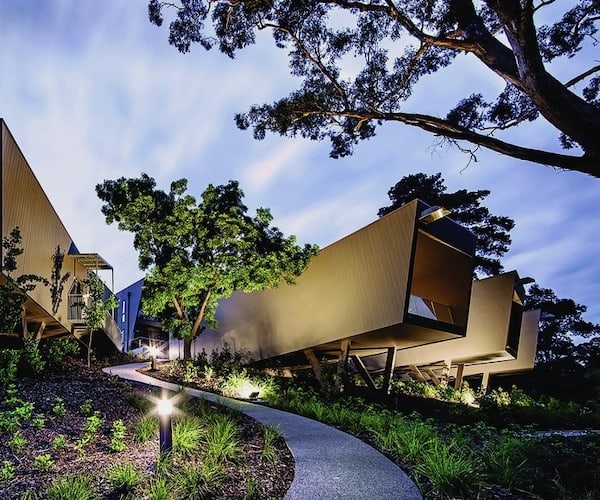
Getaways in Victoria, Australia that your special someone will love
Are you ready to indulge in a world of romance…

Visit Kota Kinabalu, where dreams come true! @tourismmalaysia
People most frequently say that travelling abroad unaccompanied by somebody…