A safari in East Africa is one of the best-known travel experiences there is. From the Serengeti and Masai Mara to Uganda’s national parks and the beaches of Zanzibar, the region offers a genuinely different scale of wildlife and landscape, plus cultural depth many itineraries never reach.
But safari travel is different from a typical city break. You may be spending time in rural areas, moving between lodges, taking long road transfers, and visiting regions where certain travel-related health risks are more common. That does not mean you should be worried. It simply means that good preparation matters.
Before traveling to Kenya, Tanzania, Uganda, Zanzibar, or nearby safari destinations, it is worth planning your health needs as carefully as your itinerary.
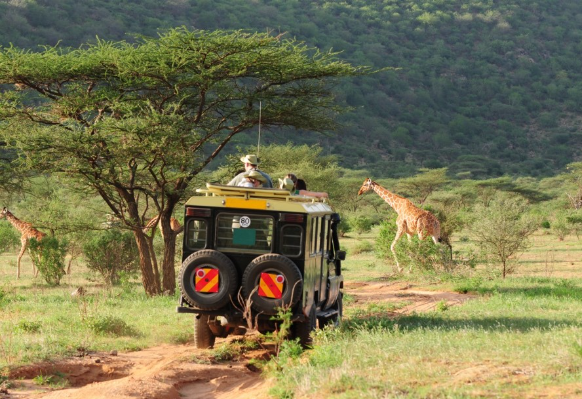
Book a Travel Health Consultation Early
The best time to start preparing for a safari is several weeks before departure. Some vaccines need time to become effective, and malaria prevention medication may need to be started before you arrive.
A travel medicine doctor or travel clinic can give advice based on your exact itinerary, your health history, the season, and the type of trip you are taking. A short city stay in Nairobi is not the same as a remote safari lodge, and a beach extension in Zanzibar may call for different precautions than gorilla trekking in Uganda.
Bring your itinerary to the appointment, including:
- Countries you will visit
- Safari parks or rural areas on your route
- Any stopovers or border crossings
- Your vaccination history
- Current medications and medical conditions
This helps the clinician give more relevant advice.
Related read: Managing Chronic Health Conditions While Traveling: The…
Read Full Article Source
Related Posts

How the Southern Way might be your gateway to the Southern Lakes
The Southern Way is the name Tourism New Zealand has…

5 lesser-known spots for holidays in Spain
For those ready to break free from cliched summer breaks…

A Week in a Luxury Villa in Mallorca, Spain
Mallorca is one of Europe’s most popular holiday destinations, with…