Mont Blanc is one of those climbs that sits on almost every mountain lover’s bucket list.
At 4,805 meters, it’s the highest peak in the Alps and Western Europe, and one of the most iconic summits in the world. Every year, thousands of climbers attempt to reach the top. But despite its popularity, Mont Blanc is far from an easy mountain.
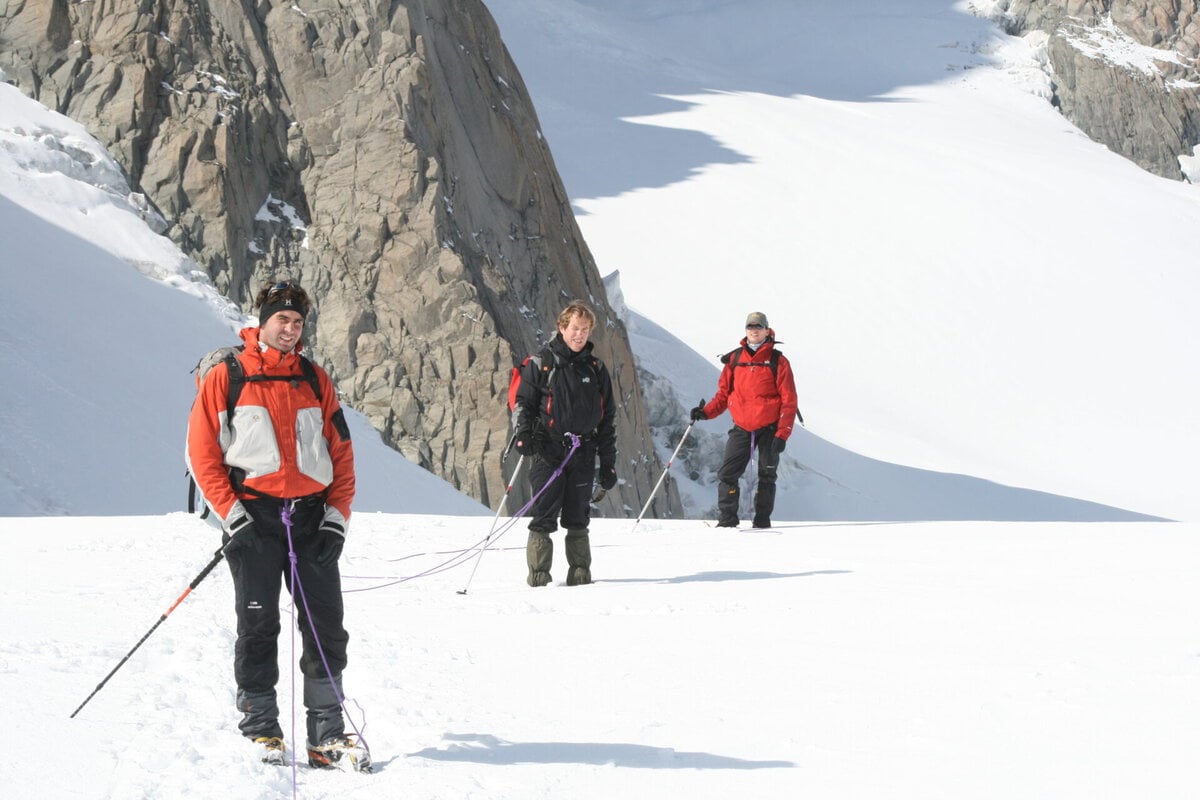
I climbed Mont Blanc via the Cosmiques route with a certified mountain guide, and quickly realized that while it’s considered accessible, it’s far more demanding than most people expect.
If you’re planning a Mont Blanc climb, preparation matters far more than most first-time climbers expect. Here’s what you should know before committing to the ascent.
 What It Actually Takes to Climb Mont Blanc
How Difficult Is Climbing Mont Blanc?
Mont Blanc is often described as “non-technical,” but that description can give people the wrong impression.
You don’t need advanced climbing skills for the standard routes, but you are still dealing with:
- High altitude at nearly 4,800 meters
- Long summit days (often 8-12 hours)
- Glacier travel (crevasses, rope techniques)
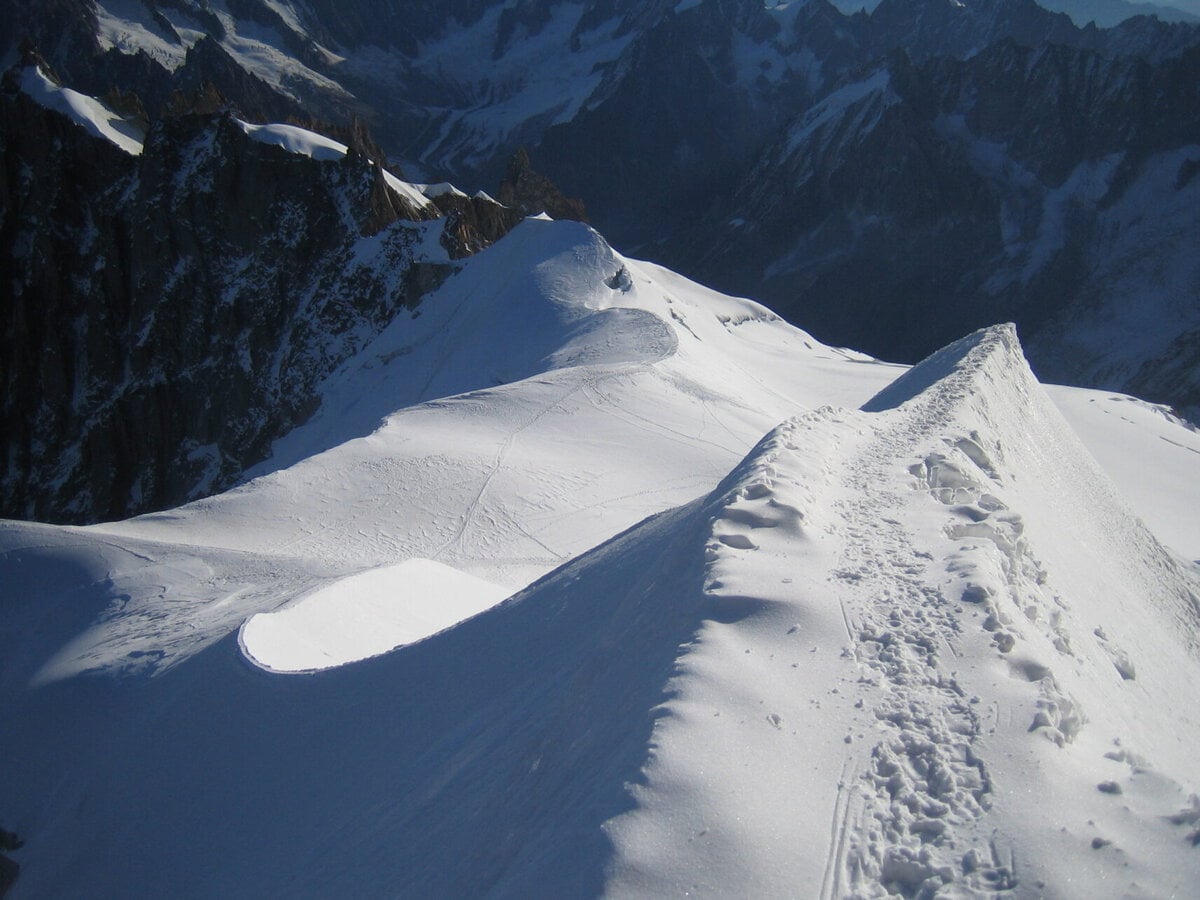
- Objective risks like rockfall and weather changes
On my climb, the biggest challenge wasn’t technical difficulty, but the combination of altitude, exposure, and duration, something that’s much easier to manage with an experienced guide.
Many climbers with limited technical experience attempt Mont Blanc, but only with proper preparation and usually with a professional guide.
Related read: Best Places for Hiking and Camping in Europe
 What It Actually Takes to Climb Mont Blanc
The Main Routes to the Summit
There are several routes up Mont Blanc, each with different levels of commitment, technical difficulty, and objective risk.
The Goûter Route (Normal…
Read Full Article Source
Related Posts

What to look forward to on an Amazon riverboat cruise in Ecuador
Winding its way through nine nations and across the heart…


Re-inventing British elegance: The Icon Series by Holland Cooper
There is something quietly theatrical in the way a well-cut…