The poplar trees that line the fence rows and creek beds of the Wānaka basin were planted for practical reasons: erosion control, shelter, farm boundaries. Yet every April, they turn a shade of gold that stops visitors in their tracks, provides a sense of familiar knowing for locals and draws photographers and selfie takers alike. If you have visited New Zealand’s South Island in summer or come for the winter ski season, you already know this part of the world is exceptional. But there is a strong argument that the travellers who time their visit for mid-March through May are seeing it at its finest, and keeping rather quiet about it.
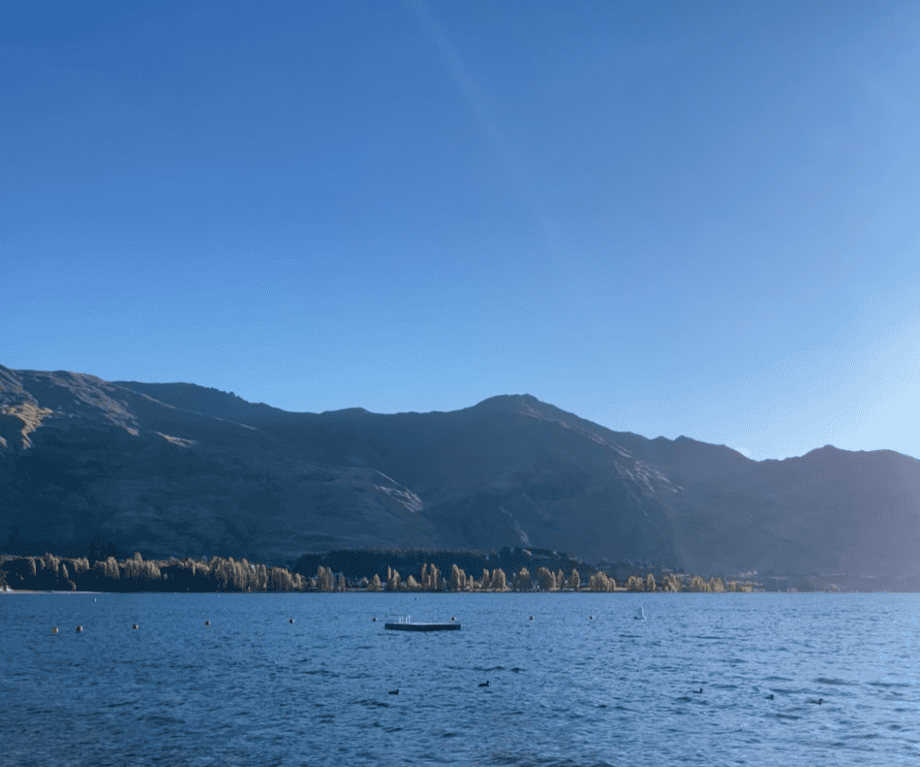
Autumn is, by some margin, the most underrated season in the Southern Lakes.
Autumn gold
Unlike the autumn displays of New England or the maples of Kyoto, poplar gold runs in long vertical strokes along fence lines and creek beds, framed by the blue-grey of the Southern Alps and the silver shimmer of Lake Wānaka itself – or Lake Dunstan if you step into Central Otago – vivid enough to feel almost implausible against the scale of the landscape behind it.
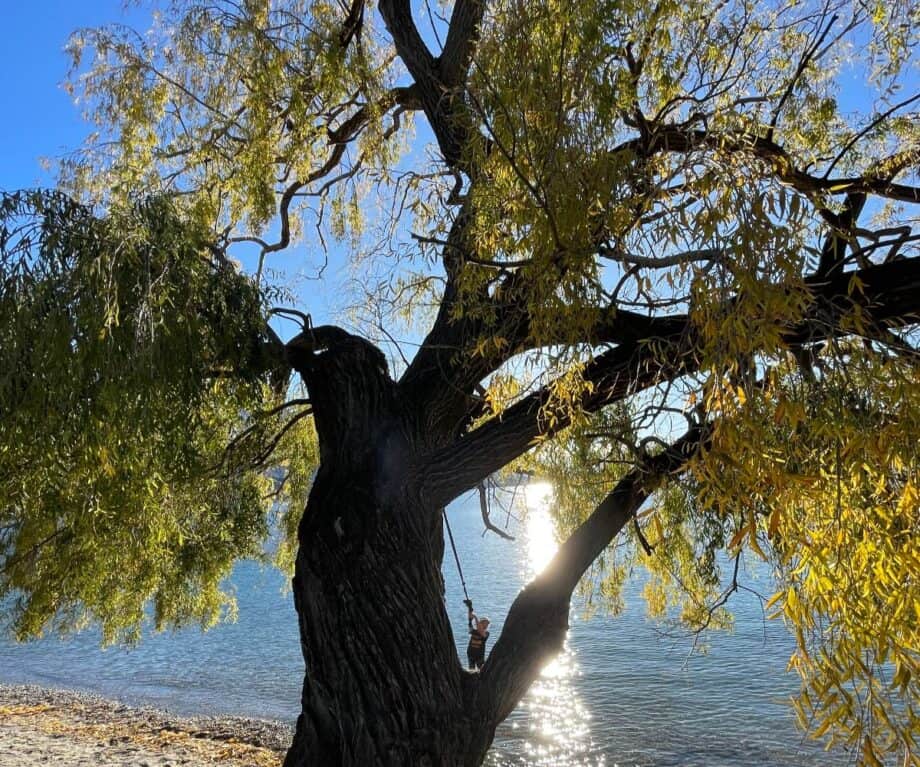
The most photographed subject in the region at this time of year needs no introduction to anyone with an Instagram account: the solitary willow tree standing in the shallows of Lake Wānaka, known simply as The Wānaka Tree. This lone canopy reaches its most quietly dramatic moment in autumn, its reflection perfectly doubled in still water on the right morning. Arrive early. You most definitely will not be alone, but you will understand immediately why people make the effort.
…
Read Full Article Source
Related Posts

The ultimate Holland Cooper style guide for the Badminton Horse Trials
There is something rather satisfying about how a perfectly tailored…

Why you could skip Musée d’Orsay to visit this artist’s house-museum instead
Travel writer and cultural correspondent Lindsay Tramuta knows all about…

8 Best Things To Do in The Gambia, West Africa
Are you planning to visit the Gambia soon? Read more…