Half past ten on a Tuesday night in late September, parked on a gravel pull-off by Kleifarvatn lake, engine off. Our guests, a couple from Singapore celebrating twenty years of marriage, had been asleep in their Reykjavík hotel forty minutes earlier. Now they stood beside our van holding cups of hot chocolate, staring at what looked like a faint grey smudge above the ridge line. “Is that it?” the husband asked. Philippe, co-owner of Lilja Tours and the man who has guided more of our northern lights hunts than anyone, pointed his camera at the sky. The screen lit up green. Ten minutes later nobody needed a camera. The whole sky was moving.
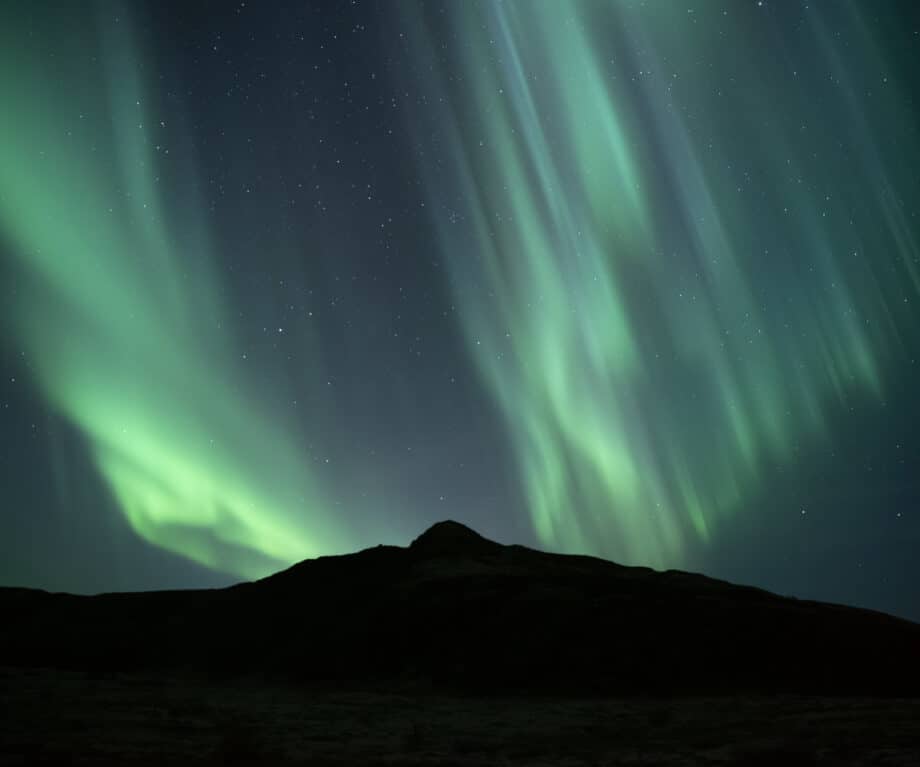
That grey smudge moment happens on almost every successful hunt, and it tells you something most aurora marketing leaves out. The northern lights rarely announce themselves. They build. And whether you’re standing there when they do depends far less on luck than people think.
It’s a hunt, not a show
I’ll be straight about my stake in this: we sell private northern lights tours, so of course I think the private version is better. But the reasons hold up regardless of who you book with, and they start with a basic fact about the aurora that surprises most first-time visitors.
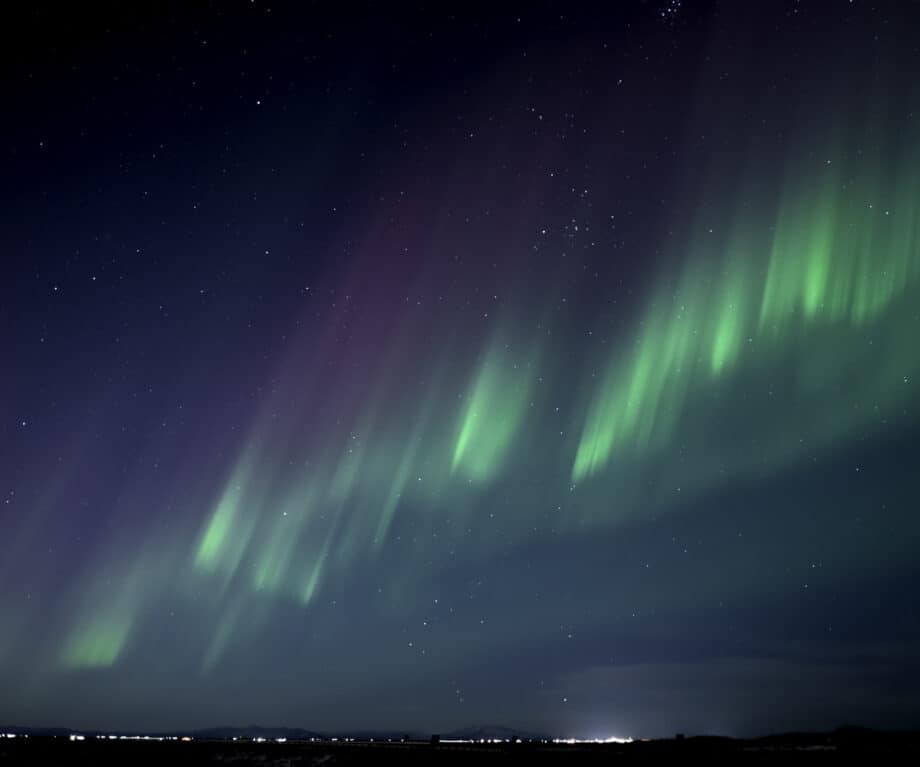
The lights don’t appear over Iceland on a schedule. They’re solar particles hitting the upper atmosphere, and on any given night between late August and mid-April they might be active for four hours or four minutes. They might flare at 9 pm or 2 am. They might be blazing over the Reykjanes peninsula while Þingvellir, forty minutes away, sits under solid cloud.
 …
…
Read Full Article Source
Related Posts

Swimming in the crystal-clear natural pools of the Canary Islands
Swimming in the crystal-clear waters of the Atlantic is always…


Colombo by Tuk Tuk: Pettah Market and Galle Face Green
Colombo mixes street markets, colonial architecture, and coastline, and the…