Few ingredients have shaped a country’s food culture as completely as corn has shaped Mexico’s. More than a crop, corn is the foundation of Mexican identity, running through mythology, agriculture, family traditions, street food, fine dining, and daily meals at every level.
To understand corn in Mexican cuisine is to understand Mexico itself.
Why Mexico Is the Home of Corn
Mexico is the birthplace of corn. Archaeological and genetic evidence places the domestication of maize from a wild grass called teosinte in Mesoamerica approximately 10,000 years ago. Today, Mexico remains the center of origin and diversification for maize, with more than 60 native races and hundreds of local varieties still cultivated across the country.
Unlike most of the world, where wheat, rice, or potatoes dominate the diet, corn has remained Mexico’s primary staple for millennia. It provides a significant portion of daily calories for millions of people and anchors countless traditional dishes from the coast to the highlands. In many communities, the corn grown, processed, and eaten has been in continuous cultivation by the same families for generations.
When you eat in Mexico — at a market stall, a family kitchen, or a restaurant with a Michelin star — corn in Mexican cuisine is almost always the foundation beneath whatever else is on the plate.
Related read: Eating Through Mexico City’s Miguel Hidalgo District
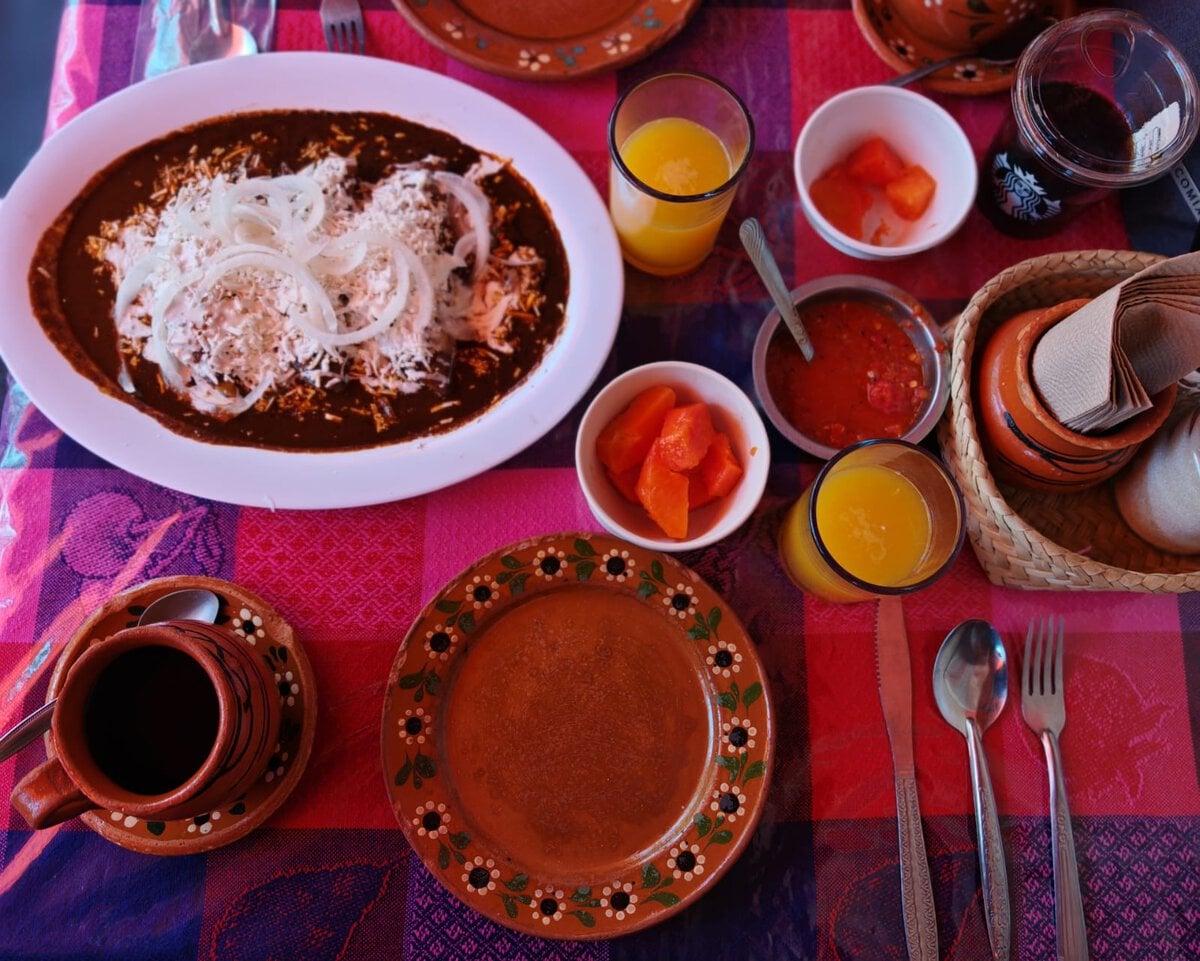 Understanding and Eating Your Way Through Corn in Mexican Cuisine
Nixtamalization: The Process That Made Everything Possible
One of the most consequential food innovations in human history came from Mesoamerica’s Indigenous peoples: nixtamalization.
The process involves cooking dried corn in an alkaline solution of water and calcium hydroxide (cal, or slaked lime), then soaking, rinsing, and grinding it into masa. This chemically transforms the…
Read Full Article Source
Related Posts

One of Fiji’s leading luxury resorts is for sale
Yasawa Island Resort & Spa, one of Fiji’s leading luxury…

Where is the best place for a safari – East or Southern Africa?
By Calvin Cottar on Aug 21, 2022 in Adventure Travel,…

15 Best Airbnbs in Limassol, Cyprus
Written by Megan Churchill Meg is a regular contributor to…