Stepping into a kendo dojo in Tokyo means leaving the city behind and entering a space where centuries of practice still shape daily training. As someone who has practiced kendo for over 20 years, I’ve watched travelers arrive expecting to learn about samurai culture and leave with something they weren’t looking for: a question about how they want to live.
You don’t start by holding a sword. You start by understanding where kendo comes from and why it still matters.
Where Japan’s Samurai Spirit Is Still Practiced
Kendo isn’t a museum piece or a performance. It’s a living tradition — and this two-hour session in a working Tokyo dojo is one of the few ways a visitor can step inside it.
What the session covers:
→ A traditional opening ceremony — bowing not as formality, but as the first lesson in how kendo practitioners face others
→ Ki (spirit): how samurai channel focused intent, not aggression
→ Tai (body): traditional footwork, balance, and readiness
→ Ken (sword): how to hold, swing, and move with a shinai — only once the foundation is in place
→ Ki-Ken-Tai-Icchi: bringing spirit, body, and sword together in a single strike
→ A real practice match — those who want to can face a veteran instructor and feel what that pressure is actually like
→ A demonstration bout between instructors, showing what years of practice produces
→ A closing ceremony that most participants say lands differently than the opening one did
Duration: 2 hours | Difficulty: Moderate | Location: Tokyo
No kendo experience required. Bring comfortable clothing and an open mind — the dojo provides everything else.
Book the Kendo Spirit Experience
Beyond the Sword: Understanding Ki-Ken-Tai-Icchi
Before anyone touches equipment, we begin with a traditional bowing ceremony. Many guests treat it as a formality at first. It…
Read Full Article Source
Related Posts
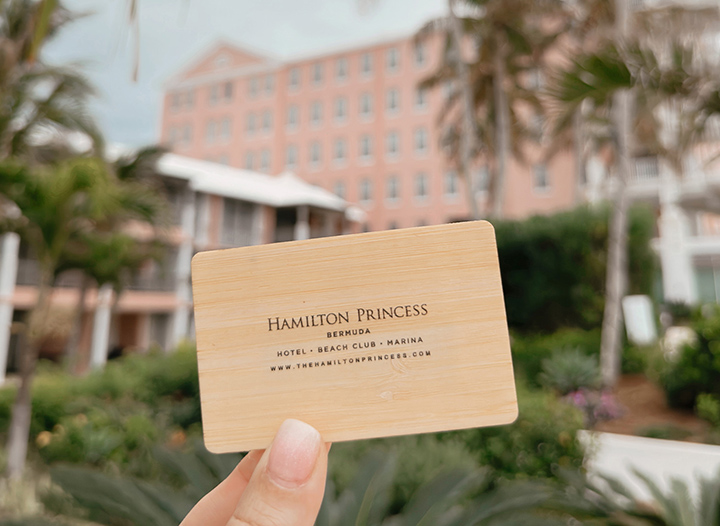
Staying at the Hamilton Princess & Beach Club in Bermuda
{this.persisted=t.persisted}),window.addEventListener("DOMContentLoaded",()=>{this._preconnect3rdParties()}),this.delayedScripts={normal:[],async:[],defer:[]},this.trash=[],this.allJQueries=[]}_addUserInteractionListener(t){if(document.hidden){t._triggerListener();return}this.triggerEvents.forEach(e=>window.addEventListener(e,t.userEventHandler,{passive:!0})),window.addEventListener("touchstart",t.touchStartHandler,{passive:!0}),window.addEventListener("mousedown",t.touchStartHandler),document.addEventListener("visibilitychange",t.userEventHandler)}_removeUserInteractionListener(){this.triggerEvents.forEach(t=>window.removeEventListener(t,this.userEventHandler,{passive:!0})),document.removeEventListener("visibilitychange",this.userEventHandler)}_onTouchStart(t){"HTML"!==t.target.tagName&&(window.addEventListener("touchend",this.touchEndHandler),window.addEventListener("mouseup",this.touchEndHandler),window.addEventListener("touchmove",this.touchMoveHandler,{passive:!0}),window.addEventListener("mousemove",this.touchMoveHandler),t.target.addEventListener("click",this.clickHandler),this._renameDOMAttribute(t.target,"onclick","rocket-onclick"),this._pendingClickStarted())}_onTouchMove(t){window.removeEventListener("touchend",this.touchEndHandler),window.removeEventListener("mouseup",this.touchEndHandler),window.removeEventListener("touchmove",this.touchMoveHandler,{passive:!0}),window.removeEventListener("mousemove",this.touchMoveHandler),t.target.removeEventListener("click",this.clickHandler),this._renameDOMAttribute(t.target,"rocket-onclick","onclick"),this._pendingClickFinished()}_onTouchEnd(t){window.removeEventListener("touchend",this.touchEndHandler),window.removeEventListener("mouseup",this.touchEndHandler),window.removeEventListener("touchmove",this.touchMoveHandler,{passive:!0}),window.removeEventListener("mousemove",this.touchMoveHandler)}_onClick(t){t.target.removeEventListener("click",this.clickHandler),this._renameDOMAttribute(t.target,"rocket-onclick","onclick"),this.interceptedClicks.push(t),t.preventDefault(),t.stopPropagation(),t.stopImmediatePropagation(),this._pendingClickFinished()}_replayClicks(){window.removeEventListener("touchstart",this.touchStartHandler,{passive:!0}),window.removeEventListener("mousedown",this.touchStartHandler),this.interceptedClicks.forEach(t=>{t.target.dispatchEvent(new MouseEvent("click",{view:t.view,bubbles:!0,cancelable:!0}))})}_waitForPendingClicks(){return new Promise(t=>{this._isClickPending?this._pendingClickFinished=t:t()})}_pendingClickStarted(){this._isClickPending=!0}_pendingClickFinished(){this._isClickPending=!1}_renameDOMAttribute(t,e,r){t.hasAttribute&&t.hasAttribute(e)&&(event.target.setAttribute(r,event.target.getAttribute(e)),event.target.removeAttribute(e))}_triggerListener(){this._removeUserInteractionListener(this),"loading"===document.readyState?document.addEventListener("DOMContentLoaded",this._loadEverythingNow.bind(this)):this._loadEverythingNow()}_preconnect3rdParties(){let t=[];document.querySelectorAll("script[type=rocketlazyloadscript]").forEach(e=>{if(e.hasAttribute("src")){let r=new URL(e.src).origin;r!==location.origin&&t.push({src:r,crossOrigin:e.crossOrigin||"module"===e.getAttribute("data-rocket-type")})}}),t=[...new Map(t.map(t=>[JSON.stringify(t),t])).values()],this._batchInjectResourceHints(t,"preconnect")}async _loadEverythingNow(){this.lastBreath=Date.now(),this._delayEventListeners(this),this._delayJQueryReady(this),this._handleDocumentWrite(),this._registerAllDelayedScripts(),this._preloadAllScripts(),await this._loadScriptsFromList(this.delayedScripts.normal),await…

Canarian gastronomy to try on your next visit to the Canary Islands
Volcanoes, sun, forests and sea are just some of things…

15 Best Things To Do in Brindisi in 2023
The picturesque city of Brindisi is full of important historical…