Mount Fuji is one of those mountains that almost everyone recognizes before they ever set foot in Japan.
At 3,776 meters, it is Japan’s highest peak, an active stratovolcano, a UNESCO World Cultural Heritage Site, and one of the world’s most symbolic mountains. For many hikers, reaching the summit for sunrise is a defining goal. But choosing when to climb Mount Fuji is just as important as deciding to climb it in the first place.
Most people climb during the official summer season, when the trails are open, mountain huts are operating, and the mountain is managed for large numbers of hikers. But there is growing interest in Mount Fuji Off-Season ascents, especially in early autumn and spring, when the mountain is quieter, more demanding, and much less forgiving.
This article clearly compares the two experiences: peak season vs off-season, crowds vs solitude, hiking vs mountaineering, and convenience vs commitment. It also explains why climbing with a certified local guide can make a major difference, not only for safety but also for choosing the right route, pace, and season for your experience level.
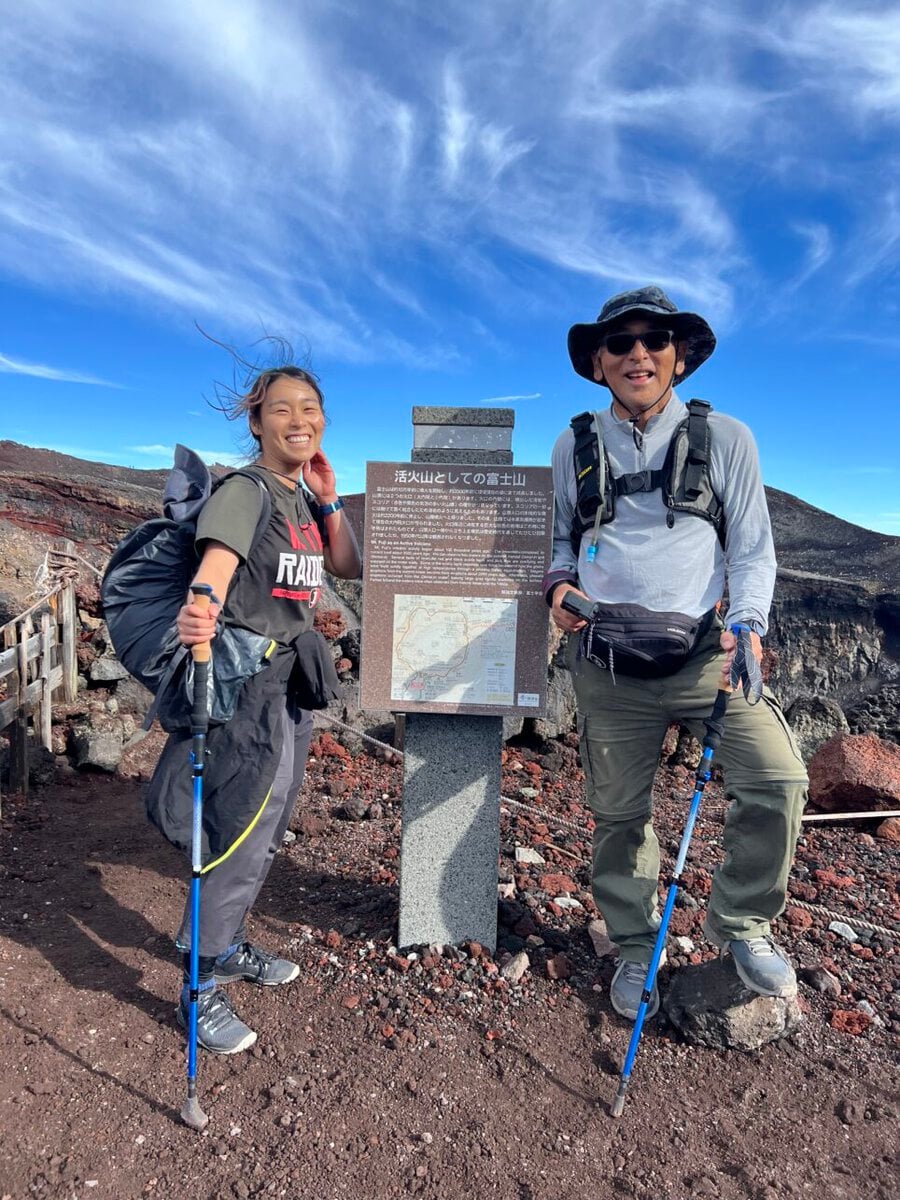 Mount Fuji Off-Season vs Peak Season: Which Is Better for You?
What does “peak season” mean on Mount Fuji?
The official Mount Fuji climbing season usually runs from early July to early September, with current trail information and entry procedures published through the official Mount Fuji climbing website.
During this window, the four main trails are open:
- Yoshida Trail
- Subashiri Trail
- Gotemba Trail
- Fujinomiya Trail
This is when Mount Fuji is most accessible. Buses run to the 5th station, mountain huts operate, toilets are available, and there is more support on the mountain. For most first-time climbers, families, and travelers…
Read Full Article Source
Related Posts

Celebrity Apex Cruise: Days 4 to 7 – Belize, Cozumel, Grand Cayman and a day at sea
By Michael Edwards on Feb 27, 2023 in Belize, Caribbean,…

Eco-friendly yachts: Innovative ways to reduce our environmental impact
Environmental concerns are becoming increasingly important in the modern world,…

The Solo Female Traveler’s Guide to Madrid
Escape the winter chill for a place where the sun…