Ten years ago, a typical trip plan was flights, a hotel, and a list of things to see. That list now looks different. A growing share of travelers pack foam rollers, track their sleep across time zones, and weigh destinations partly on whether the hotel has a decent sauna.
The checklist hasn’t just expanded, it has changed shape. What follows is a look at how that shift is reshaping the way people research, book, and experience trips, and what it means if you want to plan one that actually leaves you feeling better.
Overview:
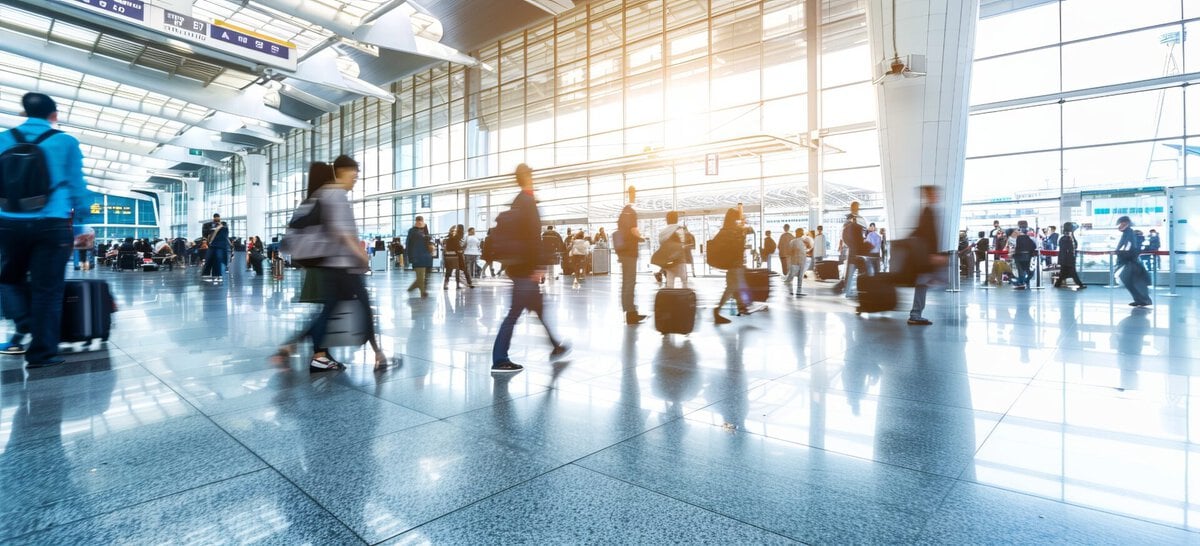 Airport building with travelers
Wellness Enters the Research Phase
Before a flight is booked, many travelers have already spent hours reading about recovery strategies, sleep support, and how to keep stress manageable on the road. Long-haul flights, jet lag, irregular eating, and the low-grade tension of moving through unfamiliar places push people to think about their bodies and minds differently than they would at home.
That research habit has expanded what travelers look up online. People exploring sleep quality and recovery routines often cross into wider health and wellbeing material, including educational resources on how various wellness approaches work in the body. Regulated platforms covering topics like what is thc and cannabinoid education sit alongside official sources such as the NHS guidance on medical cannabis, and travelers managing health conditions abroad increasingly consult both. The point isn’t any one topic. It’s the posture. Health is now something to actively support during a trip, not something to deal with only if it goes wrong.
 Rock balance at the shore.
Slow Travel Replaces the Highlight Reel
Slower, more intentional travel is one of the clearest behavioral shifts…
Read Full Article Source
Related Posts
The Monasteries of Cappadocia: What the Ground Reveals
Monasteries of Cappadocia reveal a landscape shaped by volcanic force…
Find the Best-Value Brunch in Barcelona
Barcelona’s brunch scene offers a mix of traditional and innovative…