Monasteries of Cappadocia reveal a landscape shaped by volcanic force and centuries of spiritual retreat. Long before the region became globally recognized for sunrise balloon flights, this high Anatolian plateau was formed by geological events that reshaped the earth itself. To walk here is to move across terrain written by fire, erosion, and human resilience.
For travelers drawn to the monasteries of Cappadocia, the experience extends far beyond the familiar skyline. Beneath the celebrated views lies a quieter dimension where carved sanctuaries, monastic corridors, and little-traveled paths tell a story measured not in decades but in geological epochs.
Understanding Cappadocia from the ground rather than the sky allows the region to unfold gradually. What first appears dramatic soon becomes contemplative. What seems remote begins to feel intimate.
Related read: Cappadocia on a Budget
How Volcanoes Shaped Cappadocia’s Geological Identity
Millions of years ago, during the Miocene period, central Anatolia experienced sustained volcanic activity that permanently altered its topography. Stratovolcanoes such as Mount Erciyes, Hasan Dağı, and the Melendiz range erupted explosively, blanketing the plateau with ash, lava, and fragmented rock.
Over time, these deposits compressed into tuff and ignimbrite — stones uniquely suited to both erosion and human adaptation. Harder basalt layers settled above softer volcanic material, and through differential erosion, wind and water gradually sculpted the vertical formations now widely recognized as fairy chimneys.
Yet the geological formation of Cappadocia extends beyond these iconic pillars. Rivers carved deep canyons through the volcanic bedrock. Seasonal freeze–thaw cycles widened fractures. Rain traced patient pathways across the plateau, separating ridges into valleys.
Cappadocia is not a frozen landscape but an evolving one. Walking through it means crossing chapters of planetary history that continue to shift, subtly and silently. For readers who want scientific context before exploring the terrain…
Read Full Article Source
Related Posts
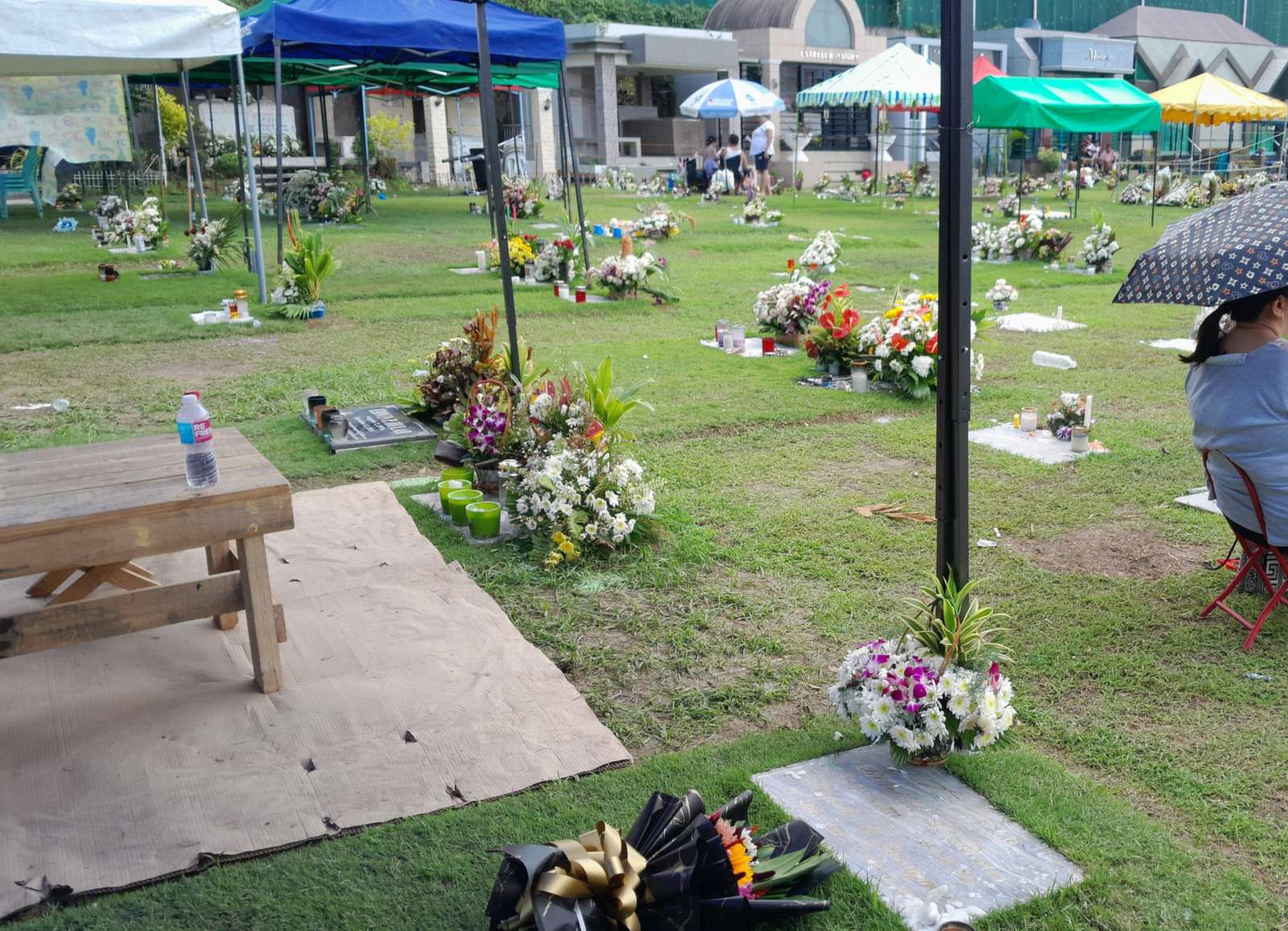
Undas Long Weekend Trips 2026: Where to Go, What It Costs
Undas long weekend trips need sharper timing this year. All…

The Ultimate Guide to Family Travel Insurance
Drop LAZY RIVER below for more info and an exclusive…
Greek Islands: Fishing Villages and Beaches in Milos
Wow, Milos! You’ve got me under your spell. Your stunning…