The car rental counter at Keflavík Airport is always busy. Visitors collect their keys, load up on insurance options they half-understand, and drive into a landscape that looks, from the terminal window, like it should be easy. Wide roads, no traffic, open sky.
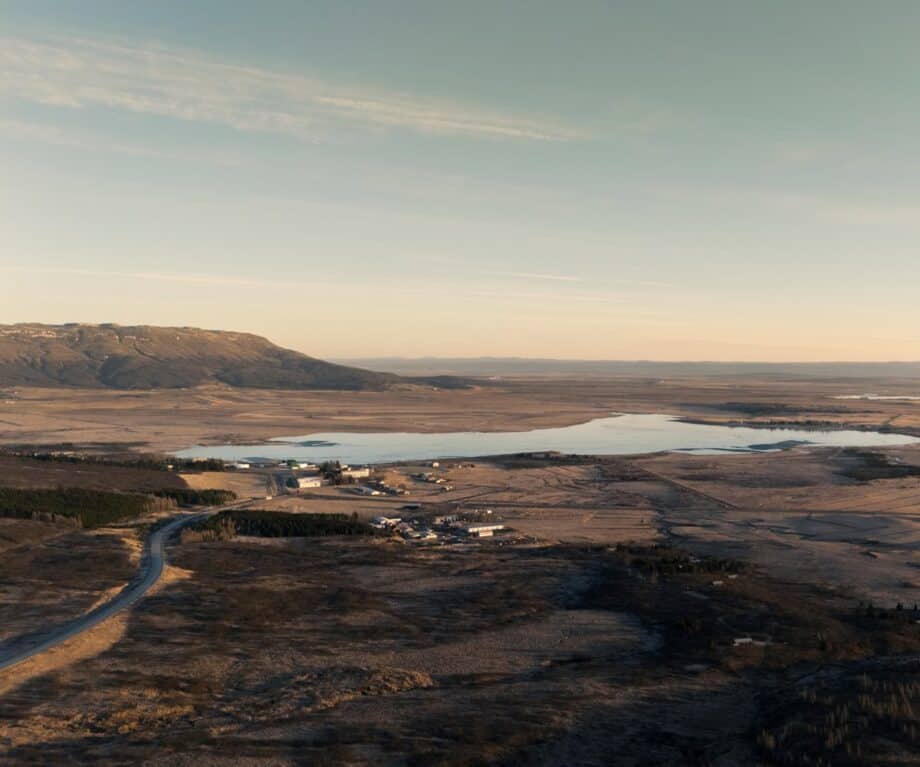
Forty minutes later, somewhere on a coastal highway, the wind picks up. Not a gentle breeze — a sideways force that pushes the car half a lane over. The weather app still says partly cloudy. The sky disagrees. And somewhere ahead, a single-lane bridge appears with no warning, and another car is already on it.
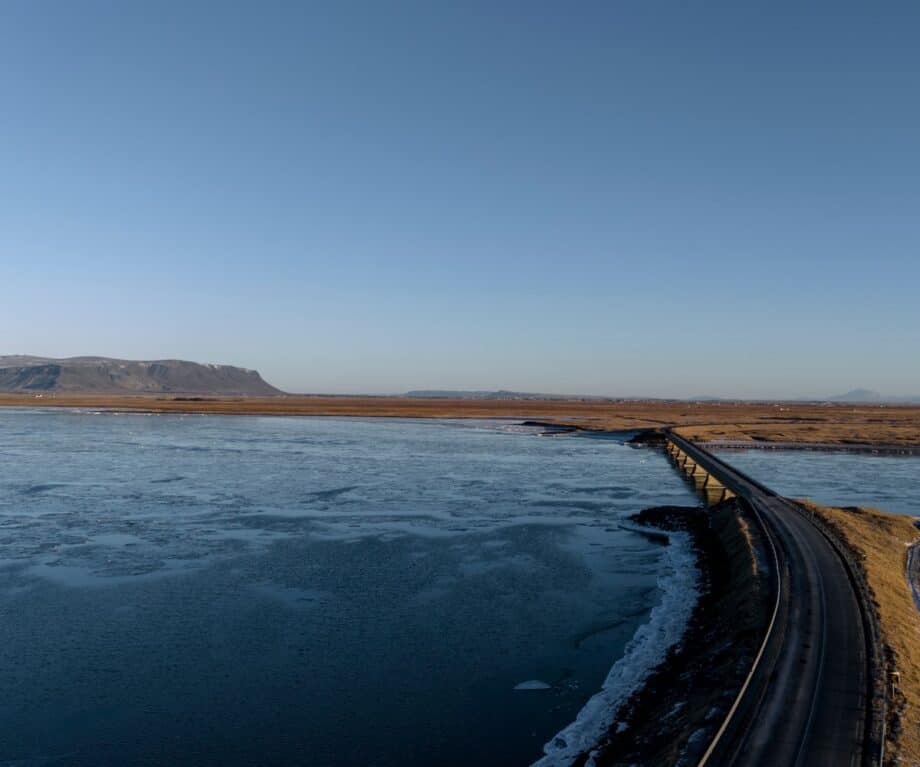
This is Iceland. It is absolutely safe to drive — but it is nothing like driving anywhere else you have been.
The honest answer: Yes, but…
Let’s get this out of the way: Iceland is not a dangerous country to drive in. The roads are well-maintained, the infrastructure is modern, crime is virtually nonexistent, and Icelanders are calm, courteous drivers. If you have experience driving in varied conditions and you do your homework, self-driving is perfectly viable.
But Iceland’s challenges have nothing to do with the roads and everything to do with what happens above and around them. The weather is the variable that turns a pleasant drive into a white-knuckle experience — and it shifts without consultation. A clear morning can become a horizontal rain shower by noon and a snowstorm by mid-afternoon, regardless of the season.
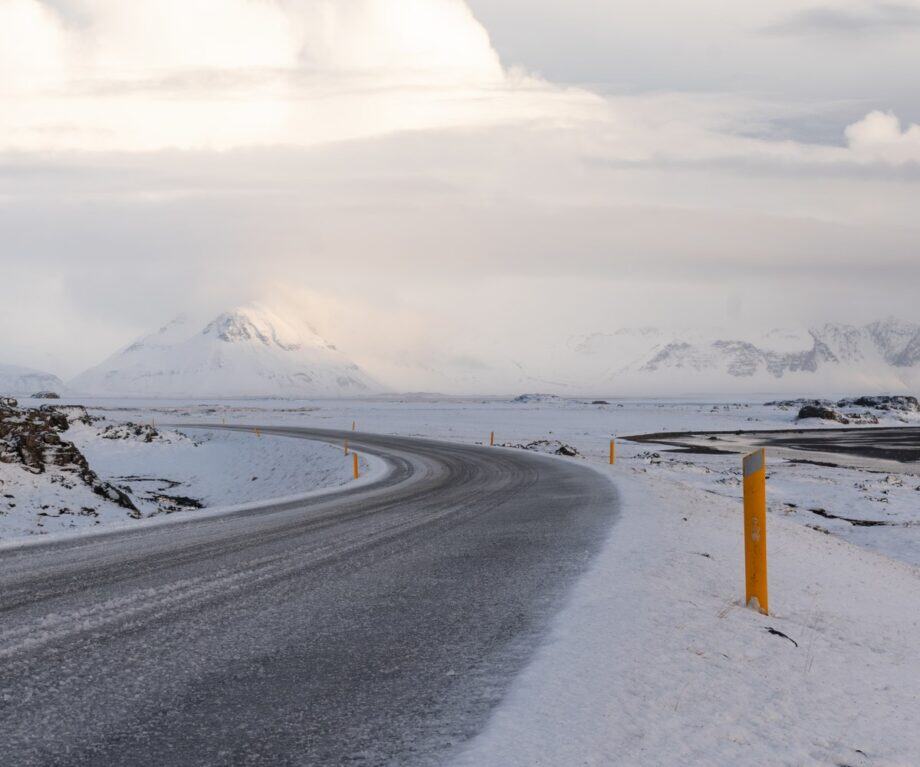
What makes it genuinely tricky is that safety here is never about a single factor. It is the combination of wind speed, road surface, and vehicle…
Read Full Article Source
Related Posts

Nightlife in Berlin: Unveiling the Essence of Five Iconic Nightclubs
The nightlife in Berlin is renowned for its diverse and…

The Ecuadorian Amazon: A paradise in South America, and activities you must do there
Have you ever wondered where in the world there is…

8 of the Best Things to do in Nicaragua
Amongst the things to do in Nicaragua is visiting colonial…