We make our way through a forest on the Galician coast at dawn. “Dad’s here,” I say to my partner Liz, as we stumble over a cobblestone path through a pine grove, the town of Poio and the monastery where we spent the night fading into a memory far below. In the two years since he passed away, it’s become common for my father to make his presence felt at particularly poignant moments near the end of a long journey.
Dad is with us again on the Variante Espiritual.
For nearly 1,300 years, Christian pilgrims have made voyages along the Camino de Santiago, following various routes winding through Europe, leading to the medieval Spanish citadel of Santiago de Compostela, where the remains of Saint James the apostle are said to be interred. And while the route beginning in France garners some 80% of pilgrim traffic these days, the trail Liz and I found ourselves on—the Camino Portugués—boasts about 20%.
Explore the planet’s most surprising adventures with our weekly newsletter delivered to your inbox.
That’s still enough traffic to fill the plentiful number of hostels and albergues dotting the nearly 300km path from Porto to Santiago during peak season. But on the Variante Espiritual, that crowd is trimmed to almost none. It’s the kind of place to find yourself alone with your thoughts, your partner or whatever ghosts haunt your steps around the planet.
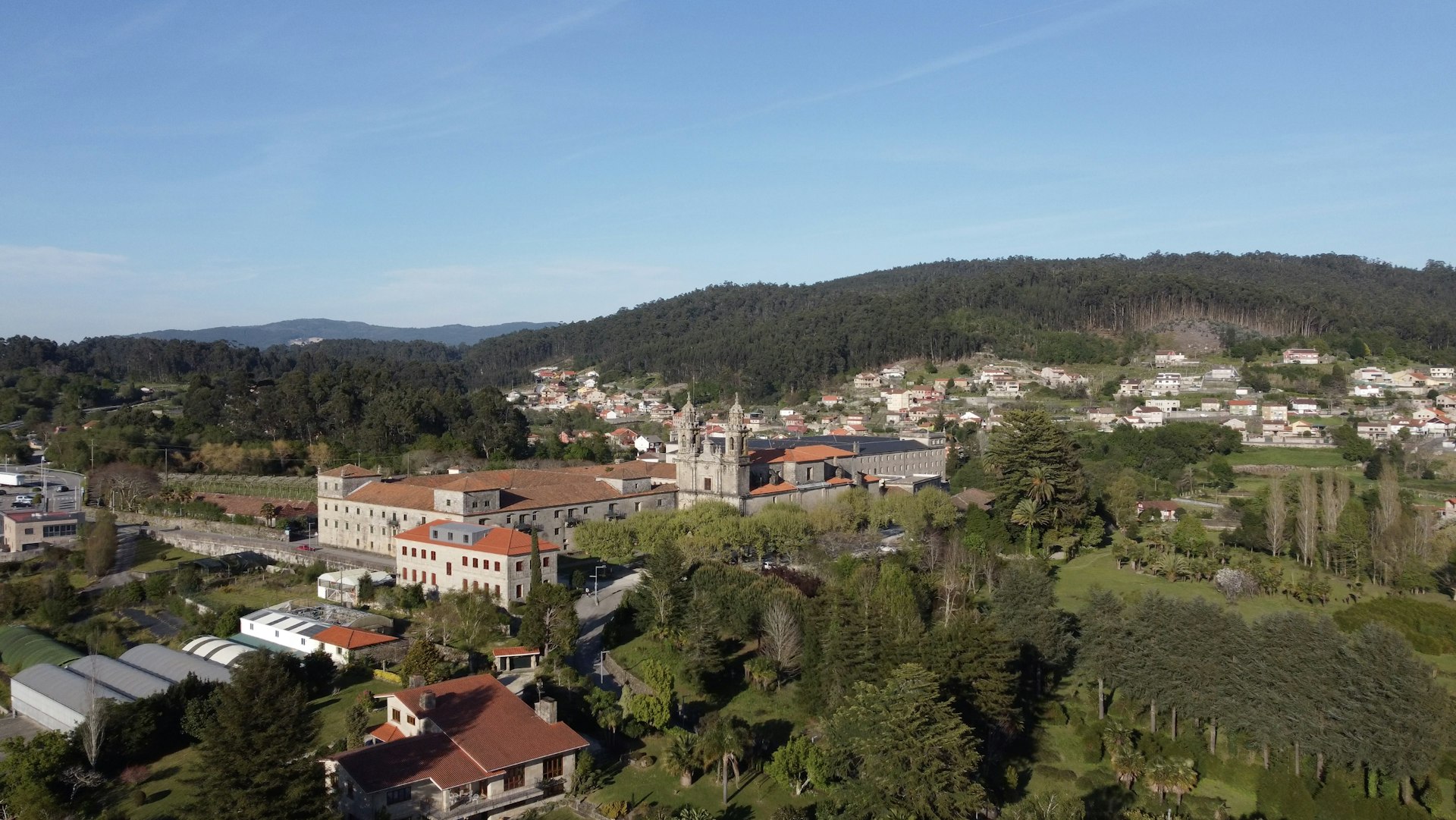 View of the Monastery de Poio © Joe Sills/Lonely Planet
Near the end of the average two-week voyage from Porto, pilgrims face a choice—add several days to the journey by detouring 28km over the mountain passes of the Variante Espiritual or make single day sprint to Padron, a town just one day’s walk from the finish line.
Most opt for…
Read Full Article Source
Related Posts
Enjoy the best of Buenos Aires in these 7 neighborhoods
Buenos Aires is officially divided into 48 barrios (neighborhoods), each…

Backpack Review: Osprey Kestrel 32
It’s time to review my current backpack, the Osprey Kestrel…
Zakynthos Greece: A Complete Travel Guide for 2023
Zakynthos Greece (also known as Zante Island) is a small,…