There are few countries in Africa that can compete with Botswana for safari exclusivity and luxury, as well as abundant wildlife and diverse landscapes. With a population of roughly 2 million, the country is slightly larger than France and slightly smaller than Texas, yet 40% of its land is dedicated to parks and wildlife. Botswana’s government has prescribed a high-income, low-volume, low-impact, ecotourism policy, meaning fewer tourists and better protected natural wildernesses. In addition, they have dedicated their army to anti-poaching – one of the reasons the country is such a safe haven for wildlife. In wilderness areas like the depths of the Okavango Delta and its surrounds, not only are the safari camps and lodges more ecologically minded and more symbiotic with their environment, but their owner’s efforts, and the government’s policies, are helping to preserve the country.
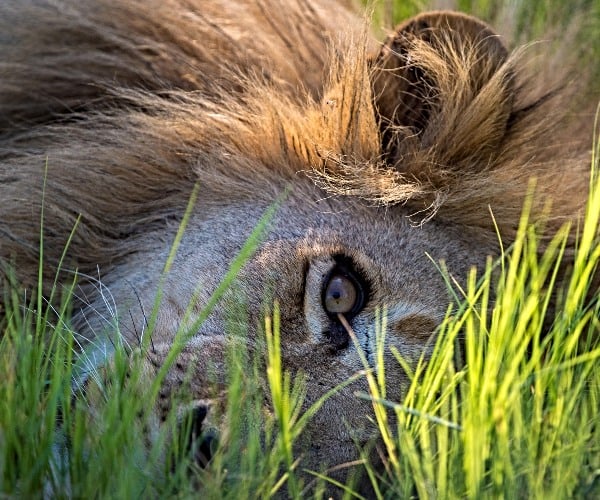
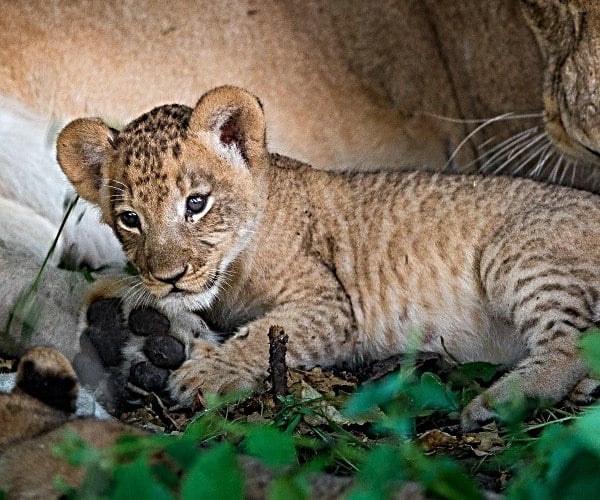
Home to a number of the world’s most threatened species and largest elephant population in the world, Botswana has become a wilderness safe haven. What is important when planning a safari here, is doing so with companies who are working to conserve the country for generations to come, by setting standards for sustainable commercial operations.
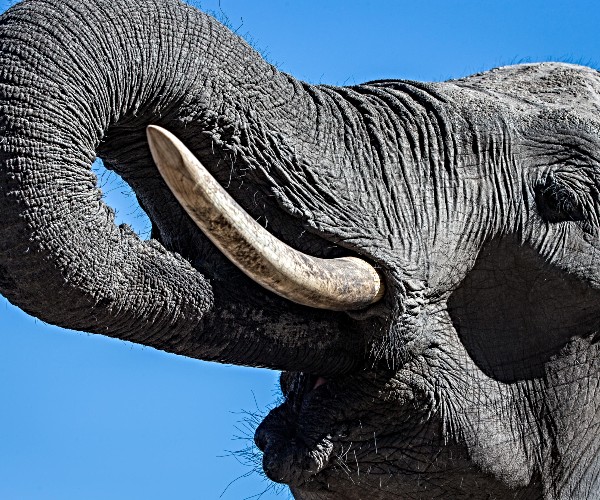
Synonymous with luxury safari camps, Wilderness was founded in Botswana in 1983, and is now recognised as one of Africa’s foremost ecotourism operators. With 60 camps, in 8 different countries, the company actively helps protect 6 million acres of land, and aims to double that in the next decade.
Wilderness, as a company, is best explained in two parts; conservation and hospitality. Through partnerships with trade industries, donors, governments and local communities, they work to protect and conserve the wild places…
Read Full Article Source
Related Posts

Rising sun: Back to the best of Japan
The uncertainty of the pandemic years was challenging if you…

Unique plant-based dining experiences in Thailand
As the demand for plant based food explodes globally, Thailand…

Best Destinations in Asia for a Quick Escape
Planning a quick vacation is easier when you take advantage…