The sun sank low in the sky, and from our chairs around the fire we listened to the sounds of the desert. The eerie calls of jackals filled the air, and the night sky echoed with their yips and howls. One by one stars appeared in the sky overhead, and the jackals became quiet. The only sound was the crackling and spluttering of the fire, as the burning logs tumbled to ashes. As we moved from the fire to the dining tent, we could hear hyenas whooping in the distance. The solitude and stillness of Botswana’s Nxai Pan was all around us.
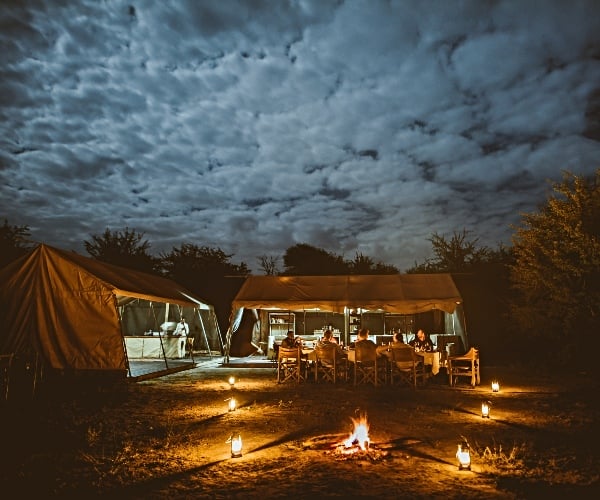
The Greater Makgadikgadi includes two National Parks, Makgadikgadi Pans National Park and the smaller, adjacent, Nxai Pan National Park. Located in the Kalahari Desert these are the world’s largest salt pans. Very dry for most of the year, this is a place in which it appears almost nothing can survive. Gaze across Nxai Pan in the dry season and all you’ll see is a salty mirage. Travel around it from June to November and, other than a few bat-eared foxes and the occasional elephant en route to somewhere else, the pan is pretty much devoid of life. Silence and solitude reign – a beautiful place.
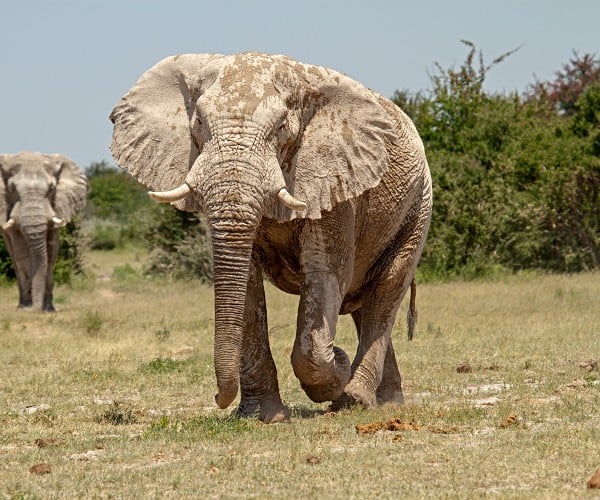
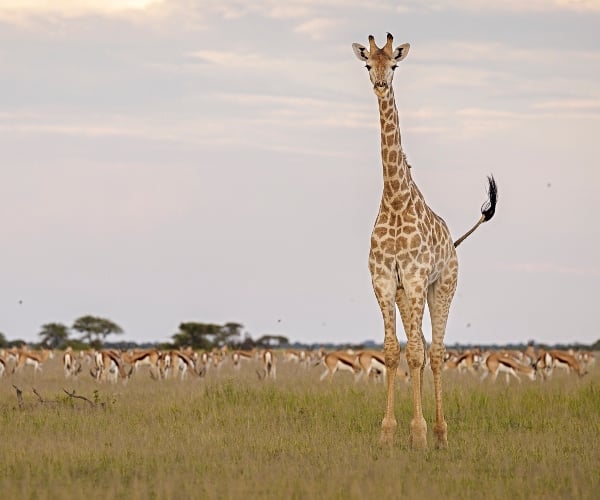
When the rains come, everything changes in Nxai Pan. Seasonal waterholes appear, sweet grasses sprout on the edge of the huge pan, and wildlife arrives. Giraffes and elephant make their appearance, springbok, wildebeest, impala and kudu all materialise from the desert mirage, migrating for the seasonal food and water. Most impressive of all the new arrivals are the zebra. So rich and nutritious is the fresh grass, that it attracts zebra and wildebeest…
Read Full Article Source
Related Posts

How to Spend a Weekend in London with Kids
London is a city where history, royalty, and pop culture…


5 of the best honeymoon destinations in the Mediterranean
By Paul Johnson on Feb 16, 2023 in Accommodation, Europe,…