Winter Camping in the South: Where to Go and How to Prepare
Winter camping in the South works because the season flips. From December into early spring, desert parks that pass 100 degrees in summer turn hikeable, Everglades mosquitoes thin out and Gulf Coast beaches empty. Daytime highs feel like a northern spring.
The nights are what people misjudge. A damp evening in the 40s can chill you faster than a dry, freezing one, and a fuel-burning heater inside the tent is a real danger. Pick your landscape, pack for the overnight low and book early, because the best winter sites fill months before the first cold front.
Why Winter Is Camping Season in the South
Up north, winter means locked campground gates and a tent drying out in the garage until spring. Across the South, the calendar runs the other way. Places too hot or too buggy to enjoy in summer become comfortable once temperatures drop. Desert parks that are dangerous at midday in July welcome hikers in January. Southern wetlands lose their mosquito swarms and the heavy humidity, which is why birders and paddlers plan their trips around the cooler months.
Crowds thin out compared with peak summer travel, though not everywhere. Popular parks still draw snowbirds escaping northern winters, so booking ahead stays essential, but trails and campsites feel roomier. If you have already camped the Southwest in winter, the southern states add coastline and wetlands to the desert.
That mild weather is the draw. It’s also why so many campers underprepare.
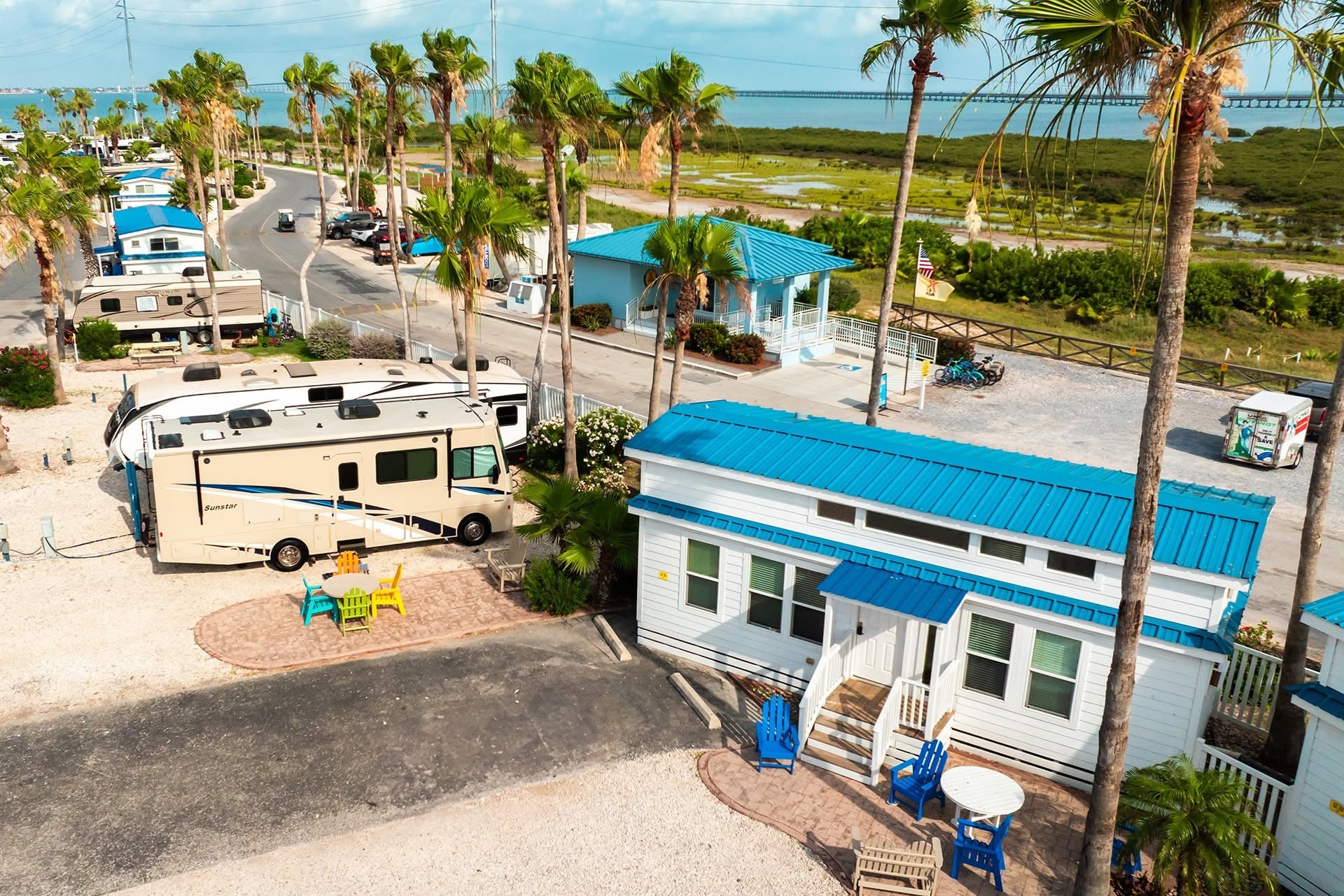 South Padre Island KOA Holiday
Two Cold-Weather Risks That Still Apply in the South
A southern winter forecast can lull you into packing for spring. Both of the big cold-weather risks still apply when…
Read Full Article Source
Related Posts
15 Pros and Cons of Living and Working in China in 2023
Living in China is an incredible experience that isn’t for…

15 Best Things To Do in Bude, England
Written by Steve Rohan Steve Rohan is a writer from…