Teaching English as a non-native speaker is possible! I’ve done it online for over three years and taught students from around the world.
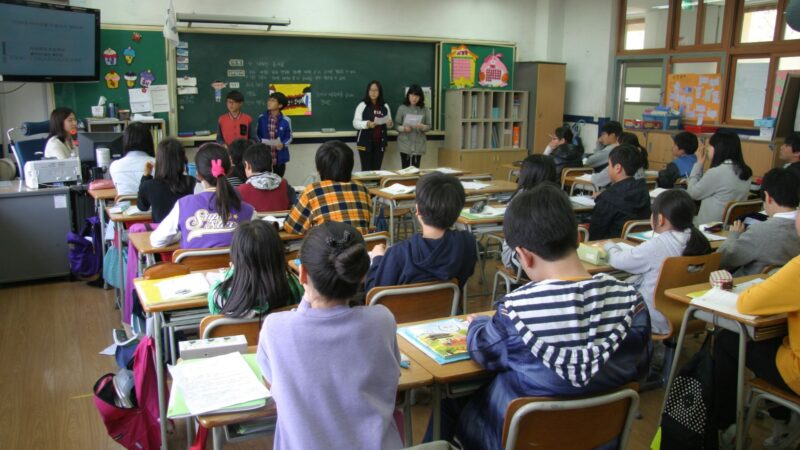
When I first started, I was very shy and nervous. I worried about explaining lessons to students who needed more time to understand. I wondered if being a non native speaker would hold me back.
But I loved the English language, had studied a bachelor’s degree in English, and was determined to try. And I’m so glad I did!
What Does It Mean to Be a Non Native English Speaker?
A non native English speaker is someone who did not grow up speaking English as their first language at home. English may be their second language, third, or even fourth language.
Filipinos are one example of non native English speakers. But the Philippines is still an English-speaking country.
But being a non native speaker doesn’t mean they’re bad at the language. Many of them are skilled, fluent, and confident in speaking English. Some study English in college or work in English-speaking jobs.
In my case, I’m not a native English speaker. But I have loved reading English books since I was young. It helped me build my confidence and communication skills.
In speaking or teaching English, your accent is not the most important thing. What matters most is your preparation for every lesson and your willingness to help your students learn.
Many non-native English speakers continue improving their communication skills through regular practice. Some teachers use tools like Rosetta Stone’s language learning program to strengthen pronunciation, listening, and conversational confidence.
My Beginning Journey in Teaching English
My teaching experience started pretty scary. I felt unsure if I was delivering my first English class well to my…
Read Full Article Source
Related Posts

Top USA Cities for an Unforgettable NFL Experience: From New York City’s Vibrant Energy to Denver’s Majestic Scenery
The NFL season is an exciting time for football fans…

Punta Cana’s Best Excursions and Beaches
If you’re planning a trip to Punta Cana, don’t just…

15 Advantages of Being an Entrepreneur (+5 Downsides) in 2023
There are many advantages of being an entrepreneur. In this…