There’s a specific day every November when it tips over. Not a date you can mark on a calendar – more a feeling. The clocks have gone back, the heating’s come on, and somewhere around the third consecutive grey afternoon you start doing the maths on how many more weeks of this there are. Quite a lot, as it turns out.
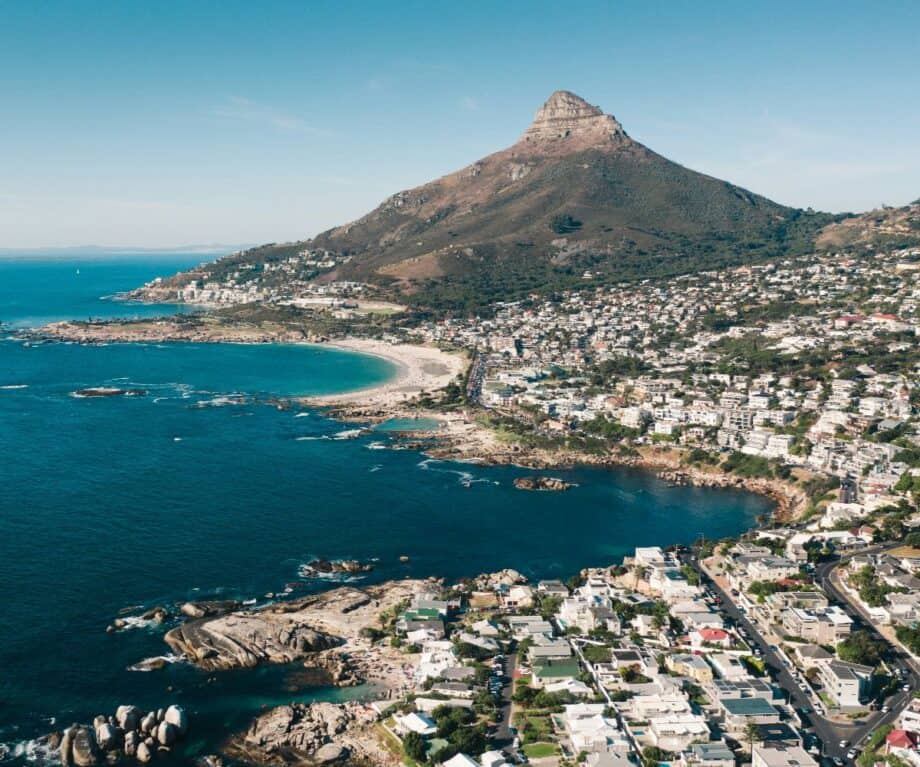
Cape Town, at exactly this moment, is doing the opposite. The city is roughly two hours behind UK time on the clock and a full season ahead of it on the calendar – summer arriving there just as Europe’s switches off. This isn’t a new discovery. People have been escaping to the Cape for years. What’s changed is how good the villa scene along its coastline has become, which makes the case for going considerably stronger than simply “it’s warm there.”
I’ll make that case anyway. Cape Town’s summer – November through to March – does something most winter-escape destinations can’t: it gives you scale. A mountain in the middle of the city. Ocean on three sides. Wine country twenty minutes from your front door. A coastal drive down the Peninsula that belongs on any list of the world’s best. The Maldives gives you a sublime beach and not much else to fill an afternoon with. Cape Town gives you the beach, then hands you a city, a wine region and a mountain range to go with it.
Why the Atlantic Seaboard is where all of this happens
Almost everyone serious about a Cape Town villa ends up looking at the same stretch of coast – down through Clifton and into Camps Bay, with the Twelve Apostles standing guard behind it. It isn’t just postcard scenery doing the work. Those mountains shelter this side of the peninsula from the worst of the wind, which…
Read Full Article Source
Related Posts

The best dishes in Spain, and where to try them
Bountiful seafood and rich produce from the interior of Spain…

What to Expect When Tunku Abdul Rahman Marine Park Island Hopping
Fifteen minutes from downtown Kota Kinabalu, five islands rise from…

10 top offbeat destinations in North America
It's not just you, the world's most touristy places are…