Think of the Iberian peninsula, and you’ll have quick visions of Portugal’s fado and tile-fronted buildings, and Spain’s bulls and matadors.
Yet there’s a corner of the peninsula that’s more James Joyce than Miguel de Cervantes. Portugal’s northernmost region and Spain’s northwestern corner are lands united by a landscape that’s perpetually green, and a common culture that can be traced back to Celtic tribes who inhabited the area until the beginning of the Christian era.
Squeeze every moment out of your next vacation with tips and tricks from Lonely Planet in our weekly newsletter delivered to your inbox.
To celebrate this shared heritage, Comboios de Portugal (Portugal’s national train service, known as CP) and Renfe (Spain’s equivalent) have joined forces on the Linha Celta/Tren Celta, a train line that links Porto, in Portugal, and Vigo, in Spain. Allured, I hopped on board, extending my itinerary all the way to A Coruña, close to Iberia’s northernmost point. Along the way, I stopped in at places that express this region’s fascinating shared Celtic heritage.
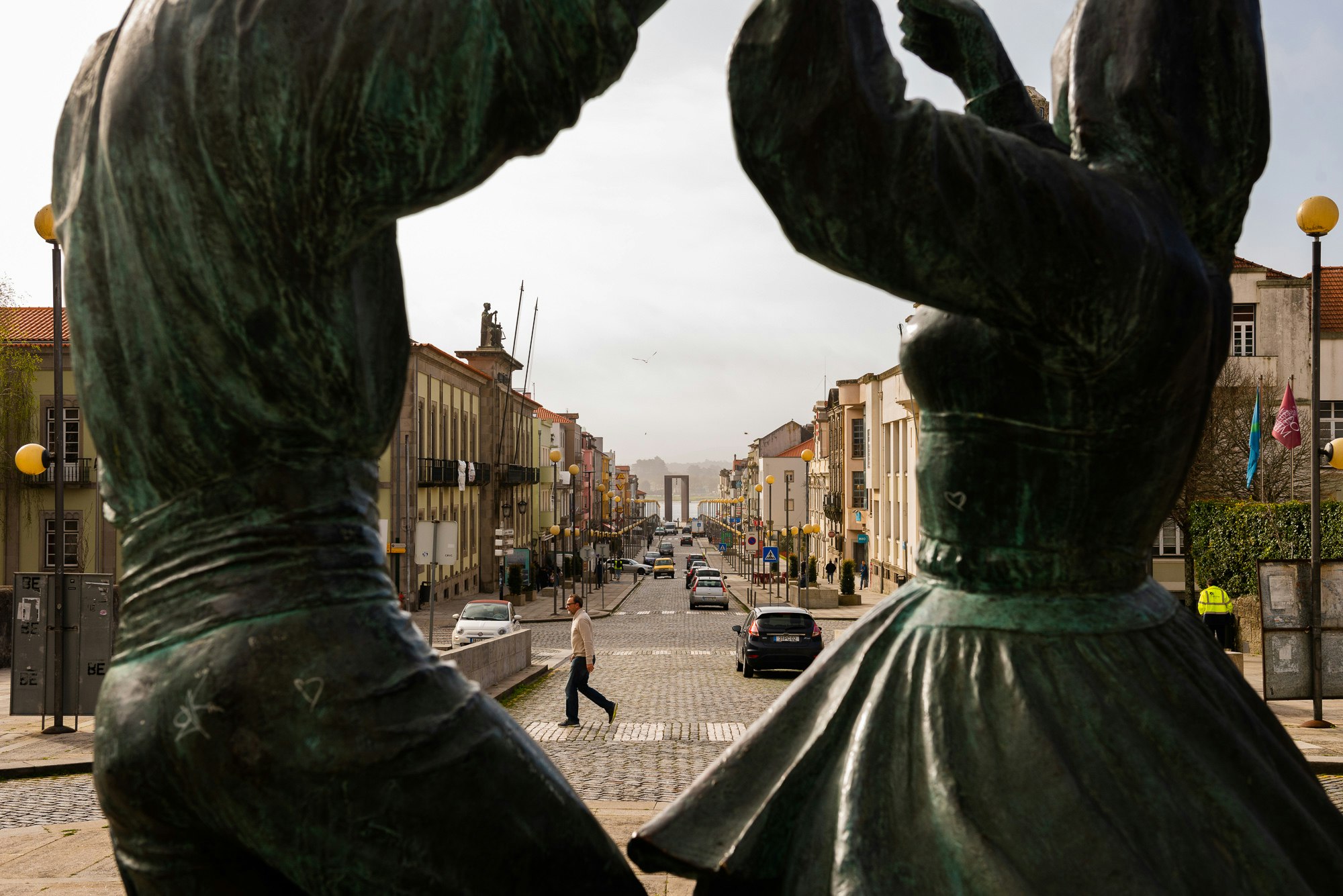 Streetscapes of Viana © Austin Bush
Porto–Viana do Castelo
My journey starts at 8:13am at Porto’s Campanhã Station on a three-carriage CP commuter train. It’s bound for Vigo, just across the border in Spain – but I’m hopping off at Viana do Castelo, a provincial Portuguese city with outsized charm and some intriguing traces of Celtic culture.
An hour north of Porto, the landscape fools me into thinking I’m in Ireland: it’s emerald green and misty, with granite villas more common than tile-fronted houses. At certain points I see people walking along the train tracks: pilgrims en route to Santiago de…
Read Full Article Source
Related Posts

Review: The Forest Side, Grasmere, Lake District, UK
By Paul Johnson on Aug 18, 2023 in Accommodation, Europe,…

Bugatti Residences by Binghatti – the first-ever Bugatti Residences in the world
Known for their unwavering and uncompromising commitment towards excellence, Bugatti…

25 Best Cheapest Asian Countries to Visit for Filipinos on a Budget
Got a tight budget? This guide covers the best and…